The Beginnings
ROOM 1
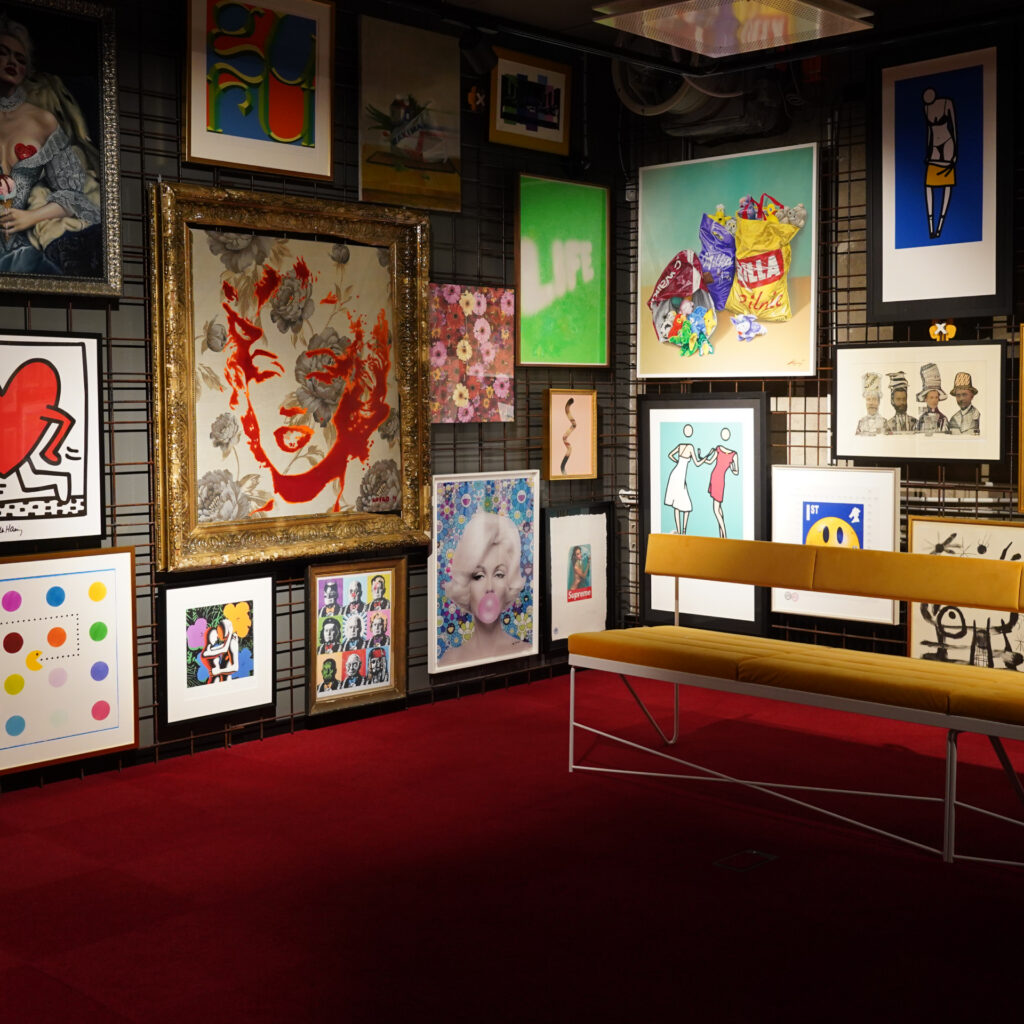
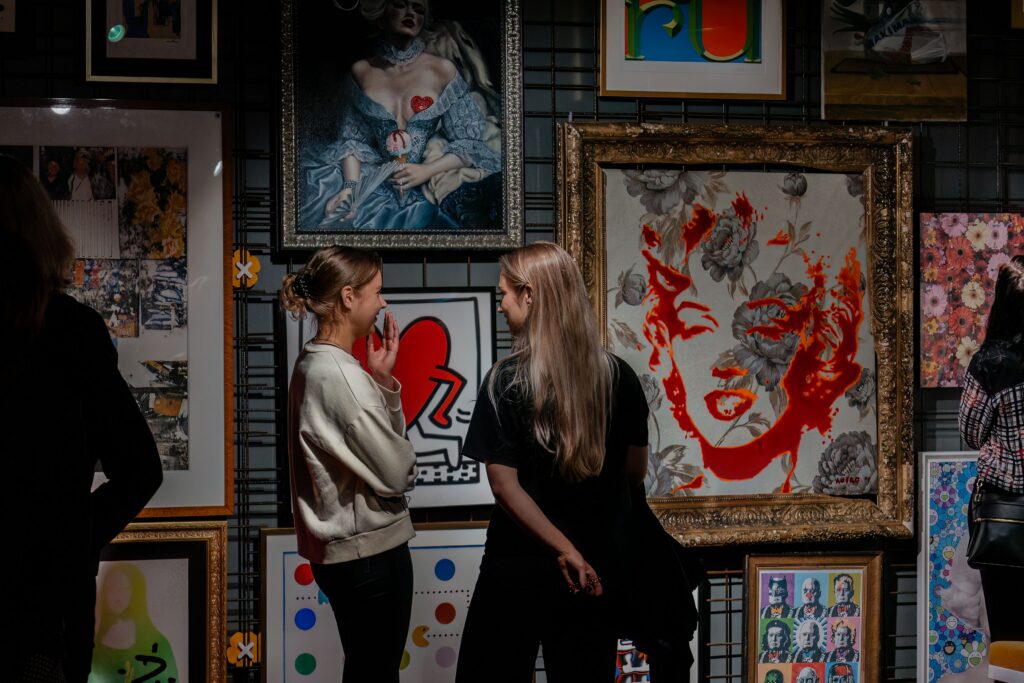
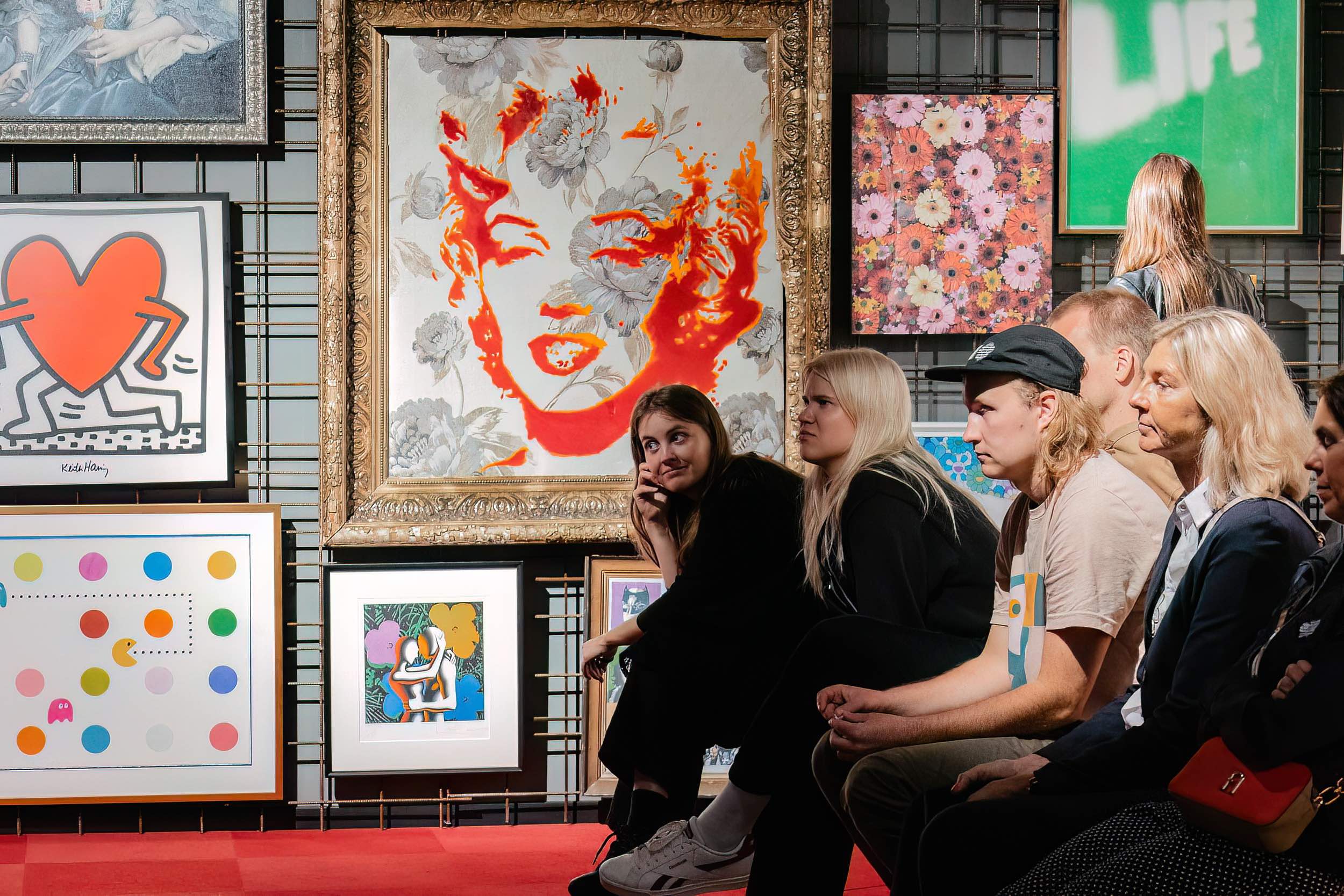
The first hall is all about the different beginnings. Warhol's artworks with flowers also signify the birth of the PoCo museum and inspiration for the logo. Firstly, references to the roots of Pop art, the Dada and Surrealism movement in the first half of the 20th century, when Marcel Duchamp and Man Ray started changing the context of everyday objects and presenting them as artworks. Even though one cannot use Man Ray's The Gift for ironing anymore, one can appreciate how he pushed the limits of the very essence of the artwork and materials it can be made out of. Secondly, the emergence of Pop art in the late 1950s, early 1960s simultaneously in the United Kingdom and United States and the artworks by Eduardo Paolozzi and Andy Warhol as examples from that period. Thirdly, the bow to the beginning of Estonian Pop art and avant-garde artists at the time when Estonia was part of the Soviet Union such as Leonhard Lapin and Raul Meel. Singing Tree is an example of how to create images using a typewriter and it is another paradigm shift in the art.
The fourth beginning is marked by the rise of digital art. Larva Labs’ CryptoPunks (2017) is one of the earliest NFT collections, consisting of 10000 unique characters. The idea of owning art on the blockchain strongly inspired the creator of Chromie Squiggles (2020), Erick Calderon. The fundamental difference lies in the process of creation: Larva Labs’ works are pre-generated digital portraits, whereas in Calderon’s work a program designed by the artist generates a unique, short, meandering line in real time at the moment of minting. While CryptoPunks is figurative in nature, comparable to Andy Warhol, Chromie Squiggles is abstract, akin to Wassily Kandinsky.
Esimene saal koondab kokku erinevad algused. Warholi lilledega teosed tähistavad ka PoCo muuseumi sündi ja logo inspiratsiooni. Esiteks, viited popkunsti juurtele, dada ja sürrealismi liikumisele 20. sajandi esimeses pooles, mil Marcel Duchamp ja Man Ray hakkasid muutma igapäevaobjektide konteksti ja neid kunstiteostena esitlema. Vaatamata sellele, et Man Ray teost “The Gift” ei saa enam triikimiseks kasutada, on võimalik hinnata, kuidas ta nihutas kunstiteose olemuse ja kunsti tegemiseks kasutatavate materjalide piire. Teiseks, popkunsti paralleelne tekkimine 1950. aastate lõpus Inglismaal ja 1960. aastate alguses Ameerika Ühendriikides, siinkohal näideteks Eduardo Paolozzi ja Andy Warholi antud perioodi teosed. Kolmandaks, kummardus Eesti popkunsti tekkele ja avangard kunstnikele Leonhard Lapinile ja Raul Meelele ajal, mis Eesti kuulus Nõukogude Liidu koosseisu. “Laulev puu” on näide, kuidas kirjutusmasina abil pilte luua ja see on samuti paradigma muutus kunstis. Neljandaks alguseks on digitaalse kunsti esiletõus. LarvaLabsi “CryptoPunk” (2017) on üks esimesi NFT-kollektsioone, mis kosneb 10000 unikaalsest tegelasest. Plokiahelas kunsti omamise idee inspireeris väga “Chromie Squigglesi” (2020) loojat Erick Calderoni. Põhimõtteline erinevus seisneb teoste loomises: LarvaLabsi teosed on valmis digitaalsed portreed, Calderoni teose puhul loob tema kavandatud programm unikaalse lookleva lühikese joone reaalajas selle mintimise hetkel. Kui “CryptoPunks” on figuratiivne nagu Andy Warhol, siis “Chromie Squiggles” on abstraktne nagu Vassili Kandinsky.